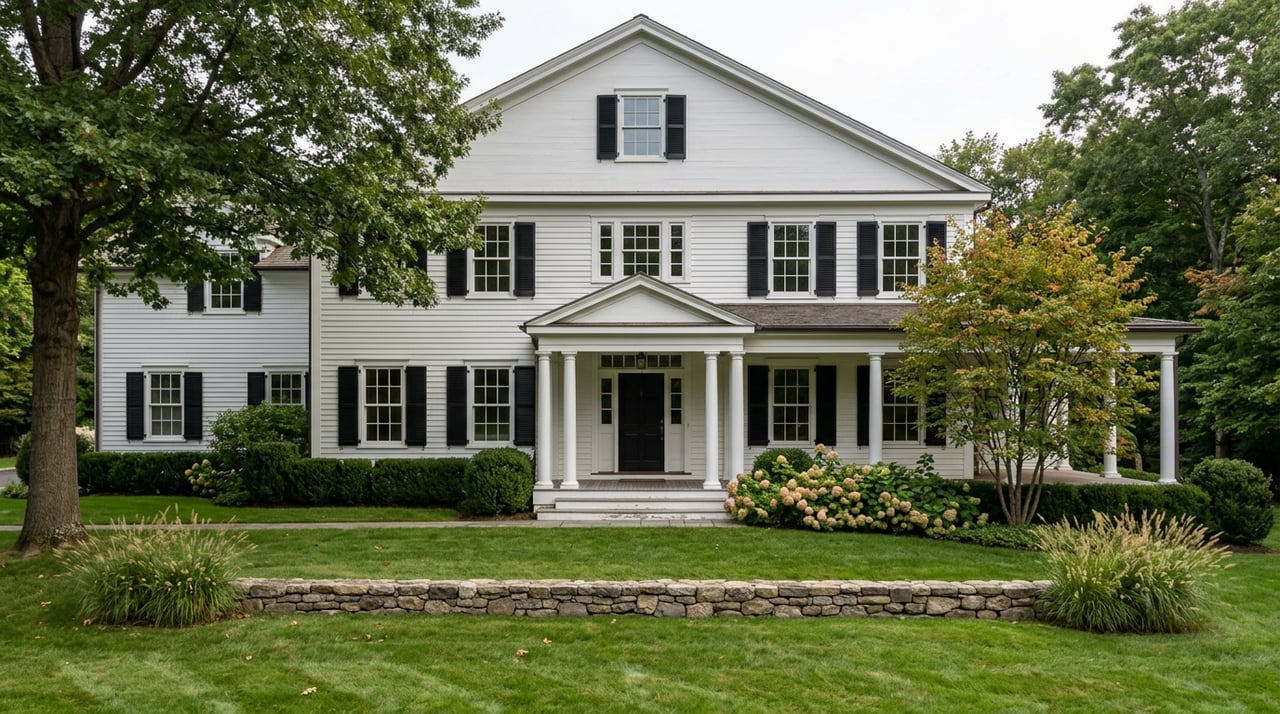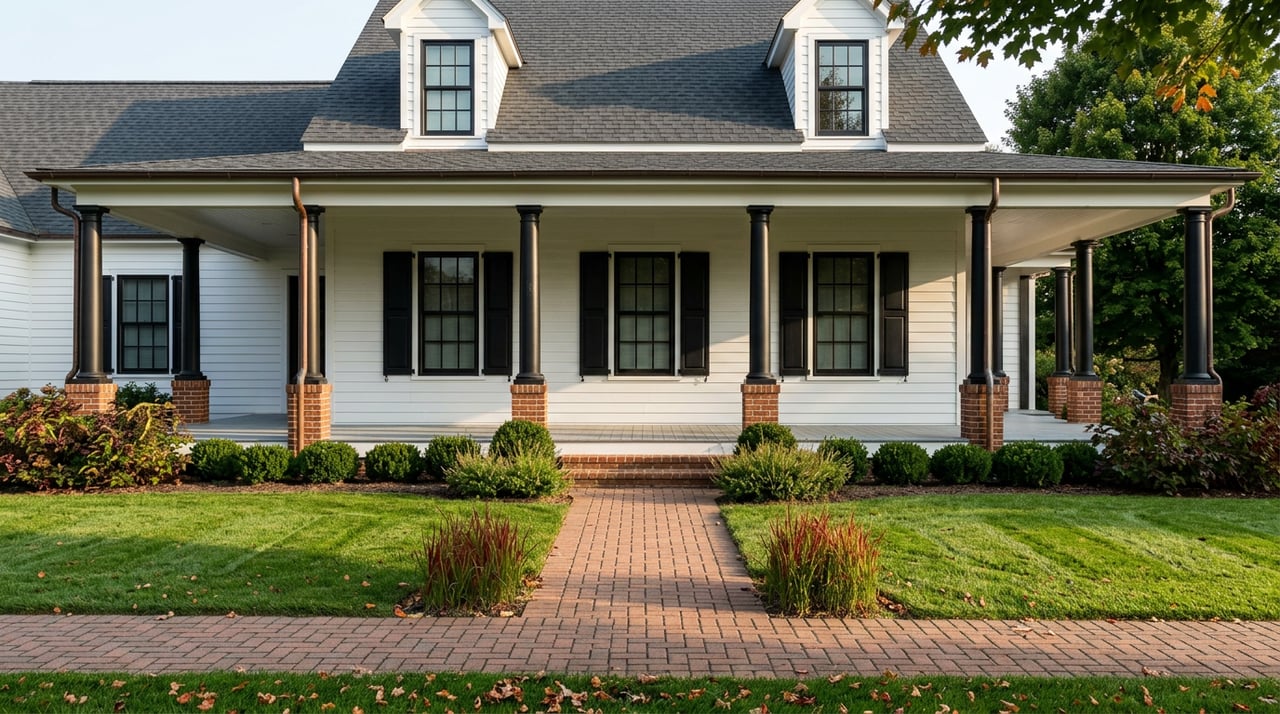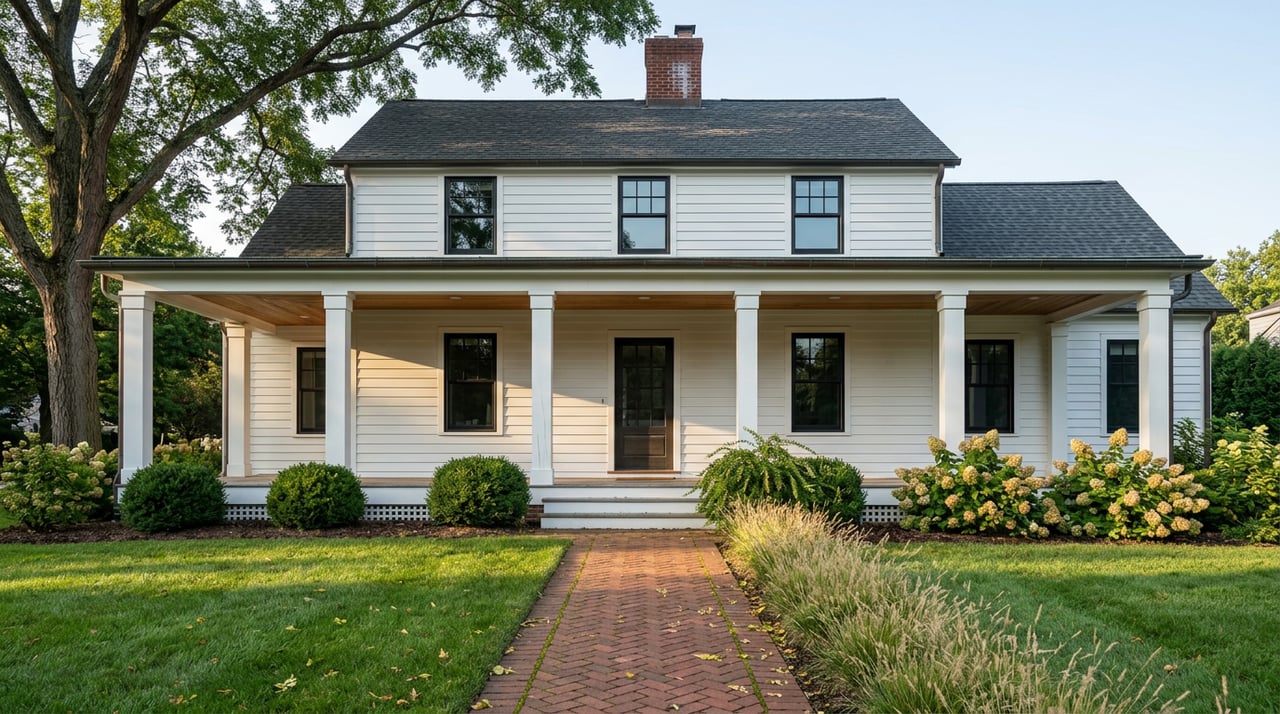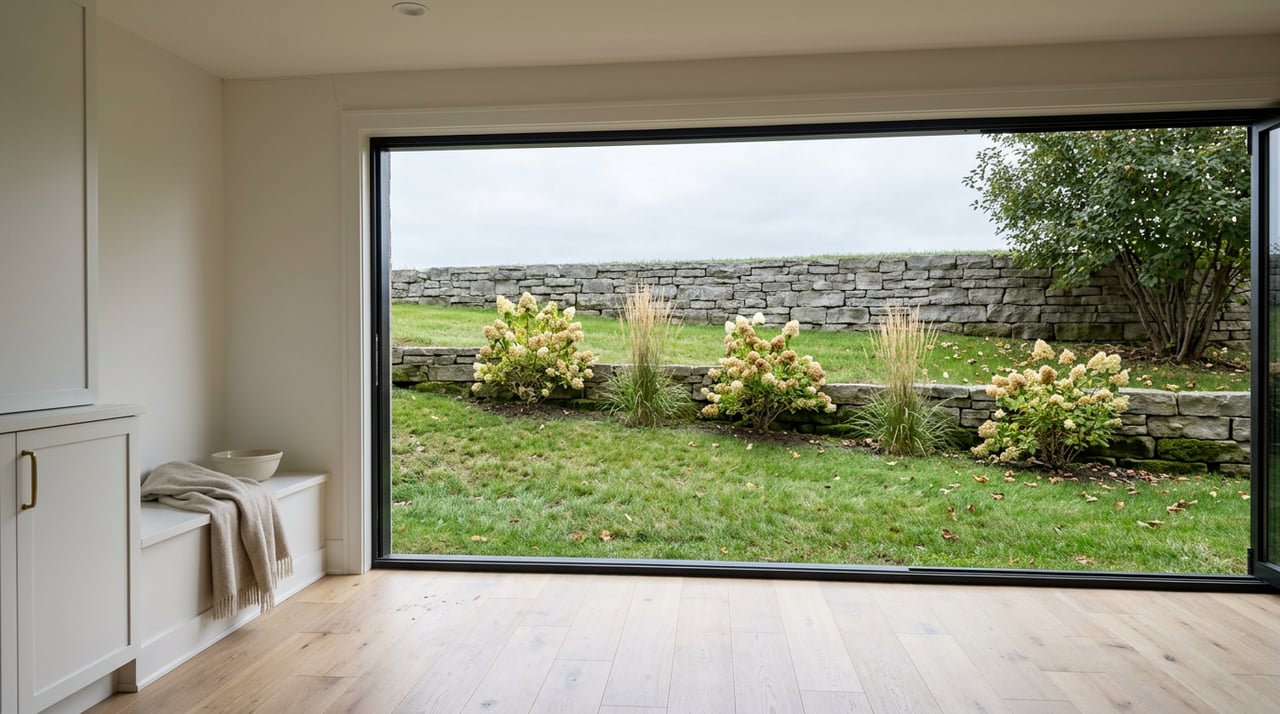
If you are thinking about building in Holliday Farms, you are not just buying a house. You are choosing a homesite, a builder, a timeline, and a lifestyle all at once. That can feel exciting and complex in equal measure, especially if you want the right fit from the start. This guide will walk you through what to know before buying a custom home in Holliday Farms, from lot selection to builder process to long-term value. Let’s dive in.
Why Holliday Farms feels different
Holliday Farms is a luxury golf-course community in Zionsville developed by Henke Development. The community is centered around club-style amenities that include two Pete Dye-designed courses, a clubhouse, fitness spaces, aquatics, tennis, pickleball, bowling, dining, trails, and social areas.
For buyers, one of the biggest distinctions is that Holliday Farms functions as a private community rather than a typical municipal subdivision. The Town of Zionsville states that existing and future residential streets in Holliday Farms are privately owned and maintained. That matters because your buying decision should include not only the home itself, but also the private-community structure and related expectations.
The club also notes that residential lots are in limited availability. Each lot includes a Sport and Social Membership with the initiation fee waived, which is an important part of the ownership picture when you evaluate cost and lifestyle together.
Start with the homesite
In many neighborhoods, buyers shop for a floor plan first. In Holliday Farms, the lot often comes first because the community was planned around the site’s natural terrain. Roads follow the contours of the land, and homes are placed to preserve trees and views.
That means lot shape, slope, exposure, and placement can all affect what you build. You may be comparing corner lots, golf-view lots, sunrise exposure, sunset exposure, or walk-out opportunities. A lot that looks perfect on paper may support a very different home design than you first imagined.
When you tour Holliday Farms, try to think beyond curb appeal. Consider how you want to live in the home day to day, how much natural light you want, whether outdoor living matters to you, and how the site may shape the final design.
Questions to ask about a lot
- What kind of home placement does the terrain support?
- Could the lot work for a walk-out lower level?
- How do trees, views, and sun exposure affect the design?
- Are you prioritizing privacy, golf views, or ease of access?
- How much site work may be needed based on conditions?
Understand how the buying process begins
In Holliday Farms, the process starts with a lot conversation, not just a house hunt. The club says buyers should work with its team to tour the community and identify a property fit.
There is also an important procedural detail for represented buyers. Brokers must register in advance and accompany clients to a Holliday Farms team member for the first visit or informational inquiry. If you want a smooth start, planning that first tour correctly matters.
This is one reason it helps to have calm, organized representation from the beginning. In a community where lot availability, builder options, and process timing all intersect, early coordination can save you time and help you avoid missteps.
Compare approved builders carefully
Holliday Farms maintains a preferred custom builder list, and that list includes a wide range of well-known names. Current builders listed by the community include Scott Campbell Custom Homes, Executive Homes, AR Homes, Christopher Scott Homes, Old Town Design Group, McKenzie Collection, Kent Shaffer Homes, Randy Shaffer Homes, G & G Custom Homes, Homes by Design, Homes by Nest, Carrington Homes, Viewegh Crafted Homes, Williams Custom Art Builders, Sigma Builders, Wedgewood Building Company, Gradison Design Build, Scott Bates Custom, Foxlane Homes, and Diyanni Homes.
A builder is not just a style choice. It is also a process choice. Some buyers want deep customization and frequent design input, while others want stronger budget guardrails and a more structured path.
Research from builder process pages shows meaningful differences in workflow. Old Town Design Group begins with lot selection and an initial design, then gives a cost estimate before final design and pricing. Carrington describes a path that includes consultation, preliminary design, pre-construction planning, a construction agreement, and an active warranty period. AR Homes outlines lot assessment, pricing, agreement, pre-start planning, selections, permits, construction, and final walkthrough.
What to compare when choosing a builder
- Level of customization offered
- How early pricing guidance is provided
- How selections and design decisions are handled
- Expected communication during the build
- Warranty process after completion
- Experience building on lots with slope, views, or preservation considerations
The best builder for you is often the one whose process fits your decision-making style, desired budget certainty, and level of involvement.
Prepare for a longer timeline
A custom home in Holliday Farms usually takes much longer than buying a resale home. Consumer guidance cited in the research report says the design phase often lasts three to six months, while construction typically lasts at least 12 to 16 months. Builder guidance in the report also notes that pre-start planning alone can take five to eight months in some cases.
In this community, timing can be especially influenced by lot-specific conditions. Terrain, preservation goals, plan complexity, and permitting can all affect the schedule.
If you are relocating or trying to line up the sale of another home, this longer runway matters. You may need an interim housing plan, flexible moving dates, or a strategy that coordinates your current home sale with the custom build timeline.
A realistic custom build timeline
| Stage | What it may include |
|---|---|
| Homesite selection | Touring lots, reviewing fit, choosing a property |
| Early design | Initial plan direction, lot assessment, builder consultation |
| Pre-construction | Pricing, specifications, selections, permits, scheduling |
| Construction | Draw schedule, site work, framing, finishes, walkthroughs |
| Completion | Final walkthrough, certificate of occupancy or equivalent, closing |
Know how construction financing works
Financing a custom home is usually different from financing a resale purchase. The research report explains that construction loans are typically short-term loans that fund the build in draws. During construction, borrowers often make interest-only payments, and rates may be higher than those on longer-term mortgages.
Once the home is complete, the loan may convert to permanent financing or be refinanced into a traditional mortgage. The report also notes that construction-to-permanent financing can be structured as a one-closing or two-closing transaction.
Budgeting should also include more than the lot or build contract price. The research report states that closing costs often run about 2% to 5% of the purchase price, excluding the down payment. Builders may also request an upfront deposit or earnest money on a not-yet-built home.
Budget items to plan for
- Lot purchase or homesite cost
- Builder deposit or earnest money
- Design and selection decisions
- Construction loan costs
- Closing costs
- Landscaping or exterior work if not fully included
Build or buy resale in Holliday Farms?
For some buyers, a full custom build is the right answer. For others, a resale home or a quicker new-construction option may be the better fit.
According to the research report, new construction typically offers modern floor plans, more personalization, newer materials, lower expected major maintenance early on, and builder warranties. On the other hand, it often comes with higher upfront costs, special financing, a longer wait, and possible additional landscaping work.
Resale homes may offer more immediate occupancy, mature landscaping, and a known total cost from the start. That can be very appealing if you want certainty, speed, or a simpler move.
In Holliday Farms, the choice often comes down to how much you value the lot, view, and plan working together. A custom build often makes the most sense when you are willing to wait for that exact combination. A resale purchase may make more sense when timing and cost visibility matter more.
A middle-ground option
If you want many of the benefits of new construction without the longest timeline, ask about stock plans or spec homes. The research report notes that these options can shorten the design process, and early-stage spec homes may still allow some finish choices.
Focus on value that lasts
It is easy to get pulled toward the newest trend or the boldest finish package. In most cases, long-term value comes more from livability than from highly personal design choices.
Builder information in the research report points to features many buyers continue to value over time. These include open floor plans, first-floor primary suite options, flexible living areas, natural light, optional basements or lofts, and covered outdoor spaces.
Durable, timeless finishes can also help your home feel current longer. If you are building in Holliday Farms, it is smart to balance personal style with choices that support everyday function and future flexibility.
Features worth thinking through
- Main-level spaces that support aging in place or long-term convenience
- Flexible rooms for work, hobbies, or guests
- Outdoor living areas that match how you actually entertain
- Storage that supports daily life without clutter
- Finish selections that feel classic rather than overly specific to a short-term trend
Why guidance matters in a custom-home purchase
Buying a custom home in a private, amenity-rich community takes more coordination than a standard resale purchase. You are weighing homesite strategy, builder fit, financing structure, timeline, and resale-minded design choices all at once.
That is where experienced local guidance can make the process feel more manageable. If you are relocating, juggling a current home sale, or simply want a more private and organized approach, clear planning becomes even more valuable.
Tina Smith brings a calm, hands-on style, deep knowledge of Zionsville and nearby luxury markets, and concierge-level support for buyers who want thoughtful representation from first tour to final closing. If you are considering a custom home in Holliday Farms, Tina Smith can help you evaluate the community, navigate the process, and move forward with confidence.
FAQs
What makes buying a custom home in Holliday Farms different from buying in a typical subdivision?
- Holliday Farms should be viewed as a private community with privately owned and maintained residential streets, club-style ownership considerations, limited lot availability, and a buying process that often begins with the homesite rather than a completed house.
What should you look for when choosing a homesite in Holliday Farms?
- Focus on terrain, lot shape, views, tree preservation, sun exposure, privacy, and whether the site supports features like a walk-out lower level or specific outdoor living goals.
How do you choose the right builder for a custom home in Holliday Farms?
- Compare each approved builder’s level of customization, pricing process, communication style, design workflow, warranty approach, and experience with lot-specific conditions such as slope and view preservation.
How long does it take to build a custom home in Holliday Farms?
- A custom timeline is usually much longer than a resale purchase, with design often taking several months and construction commonly lasting at least 12 to 16 months, depending on plan complexity, permitting, and site conditions.
How does financing work for a custom home in Holliday Farms?
- Buyers often use a construction loan that funds the build in draws, may require interest-only payments during construction, and may later convert to permanent financing or be refinanced once the home is complete.
Is building or buying resale better in Holliday Farms?
- Building may be the better fit if you want to personalize the home around a specific lot and are comfortable with a longer timeline, while resale may be better if you want quicker occupancy, more cost certainty, and finished landscaping.