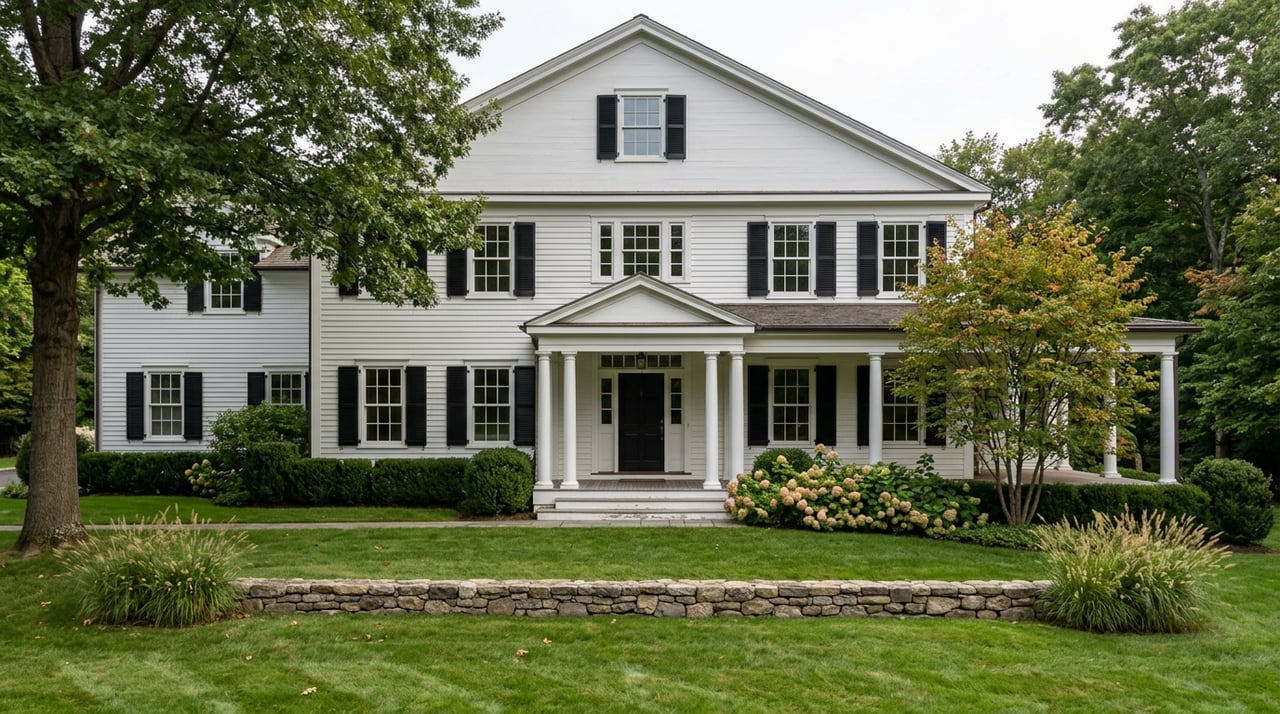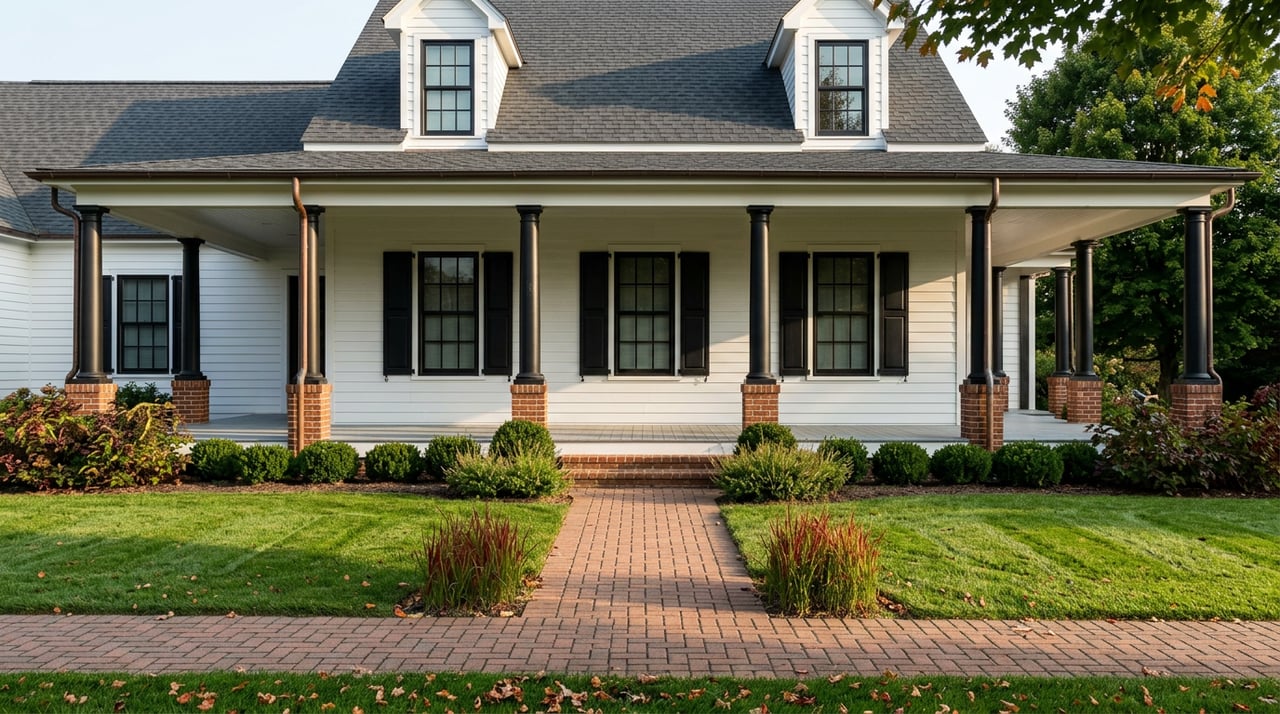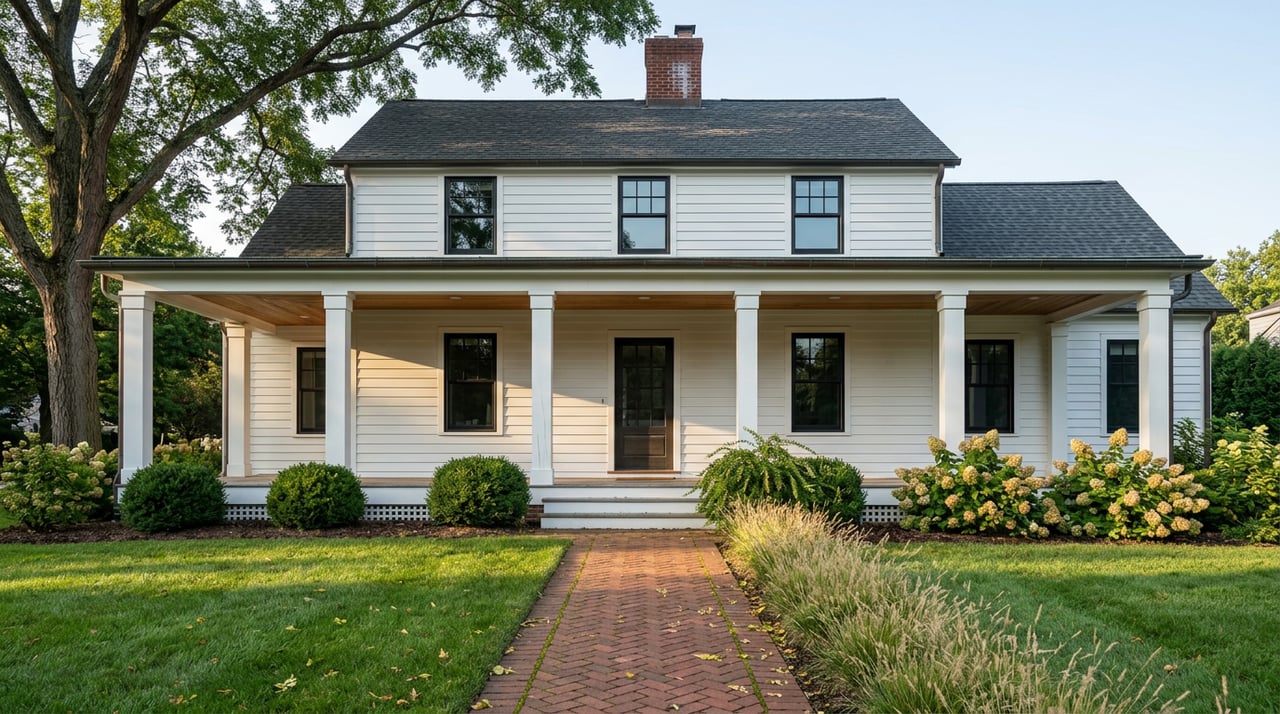
Are you ready to simplify your home without giving up the lifestyle you love? If you are thinking about downsizing in Carmel, you are not alone. Many homeowners want less maintenance, easier day-to-day living, and a home that feels comfortable when they are in town and easy to leave when they travel. This guide will help you compare your best lock-and-leave options in Carmel and think through what matters most before you make a move. Let’s dive in.
Why lock-and-leave living appeals in Carmel
Carmel has been actively building toward a more walkable lifestyle. The city highlights access by car, bike, or on foot, and it also notes that Carmel does not have public transportation. That makes location especially important if you want convenience built into your daily routine.
The city has also added housing choices that fit a lower-maintenance lifestyle. In areas like the Arts & Design District, condos and apartments have been added above commercial space and along the Monon Greenway. Carmel’s redevelopment plans also point to places like Monon Square North, which includes for-sale condos, and The Heron Club, a 55+ community designed for connected, walkable living.
For many downsizers, that combination is the goal. You may want to spend less time on upkeep and more time enjoying restaurants, trails, arts, or travel. A well-chosen Carmel property can support that shift.
Best downsizing options in Carmel
Single-level homes
A single-level home can be a strong fit if you want fewer stairs and a layout that may be easier to adapt over time. Ranch homes and primary-on-main floor plans often appeal to buyers who want easier everyday movement and a simpler long-term setup.
That matters because accessibility features become more important with age. CDC guidance for older adults emphasizes reducing trip hazards, improving lighting, and adding features like grab bars and handrails. HUD also lists options such as lever-handled fixtures, ramps, handheld shower heads, raised toilet seats, and non-slip strips as common aging-in-place modifications.
In practical terms, fewer level changes can make a home easier to live in now and easier to update later. If you want the feel of a private home without a lot of future compromise, this option deserves a close look.
Condos
Condos are often the first property type buyers consider when they think about lock-and-leave living. In the right Carmel location, a condo can offer walkability, less exterior upkeep, and a more streamlined lifestyle.
This can be especially attractive in mixed-use areas near dining, shopping, and trails. Carmel’s own redevelopment and district planning show that condos are part of its push toward more connected, walkable living. If convenience and lower-maintenance ownership top your list, condos may offer a strong balance.
That said, condo living comes with shared rules and shared costs. You will want to look closely at association documents, fee structure, and what the association actually maintains before deciding whether a specific building fits your goals.
Townhomes and planned communities
Townhomes can sit in the middle ground between a detached house and a condo. You may still get a private entrance and more room than some condos, while reducing some of the exterior chores that come with a larger single-family property.
Some planned communities also appeal to downsizers for the same reason. They can offer a more contained lifestyle, with association-managed common areas and neighborhood standards that create a more predictable ownership experience.
The key is not to assume all communities work the same way. Dues, maintenance responsibilities, insurance obligations, and restrictions can vary widely from one community to another.
What to prioritize in a lock-and-leave home
Easy access and fewer obstacles
If you are downsizing for comfort and simplicity, pay attention to how the home works on an ordinary day. No-step entries, fewer stairs, easy bath access, and wider doorways can all make a difference.
This is not just about today. CDC data say 1 in 4 Americans over 65 falls each year, which is why features like handrails, brighter lighting, and fewer trip hazards matter. A home that is easier to navigate now may also help you stay comfortable longer.
A location that reduces driving
Because Carmel does not have public transportation, your location shapes how easy daily life feels. A home near walkable districts, trails, dining, or services may help you rely less on the car for every errand.
That is one reason Carmel’s mixed-use areas stand out for downsizers. The city and local market reporting both point to walkable, mixed-use neighborhoods as an appealing direction for buyers. If convenience is part of your downsizing goal, location should carry real weight in your decision.
Manageable monthly costs
A lower-maintenance home does not always mean a lower monthly budget. Condos, townhomes, and homes in planned communities often have HOA or condo dues, and those are typically separate from your mortgage payment.
According to the CFPB, these dues can range from a few hundred dollars a month to more than $1,000 a month. Fannie Mae also notes that dues may be monthly, quarterly, or annual depending on the community. Before you buy, make sure you understand the full monthly cost, not just the purchase price.
Questions to ask before buying
What do the dues actually cover?
This is one of the most important questions for any lock-and-leave property. Dues may help cover community operations, reserve contributions, common-area maintenance, and in some communities, amenities.
You should ask for specifics. Two properties with similar monthly dues may offer very different value depending on what the association handles and what still falls on you as the owner.
What are the rules for changes and maintenance?
Before buying into a condo or HOA community, review the declaration, CC&Rs, and bylaws. These documents help explain what the board can regulate, what approvals you may need for exterior changes, and how the association collects fees.
This matters more than many buyers expect. If you want a truly low-stress property, you need a clear picture of what you can do, what you cannot do, and what the association is responsible for maintaining.
Are the reserves healthy?
A well-run association should plan for future repairs and replacements. Fannie Mae notes that association dues help fund reserves, and special assessments may be charged for major one-time expenses.
Indiana’s condominium statute also requires a replacement reserve fund. The law says that reserve fund must be kept separately in an interest-bearing account or other approved investments, and its use is limited to capital expenditures and the replacement or repair of common areas rather than ordinary repairs. Reviewing the association’s financial statements can help you better understand how prepared the community is.
What insurance is covered?
Do not assume the association covers everything. Fannie Mae notes that insurance responsibilities are often split between the association and the owner.
That means you should verify exactly where the association’s policy stops and where your own coverage needs begin. This is an important part of comparing the true cost and risk of different lock-and-leave options.
Timing your downsize in Carmel
If your move depends on selling your current home first, planning matters. As of March 2026, Carmel homes were selling in about 27 days on average, with 3 offers on average and a median sale price of $532,000. In Hamilton County overall, homes were taking about 35 days, with a median sale price of $443,000.
Those numbers show a market that can still move, but not one where every home sells instantly. Carmel’s sale-to-list ratio was 98.9%, yet 31.6% of Carmel homes and more than 31% of Hamilton County homes had price drops. That suggests preparation and pricing still matter a great deal.
It also helps to remember the wider market backdrop. Indiana University’s 2026 housing forecast said inventory remained tight at 2.8 months in late 2025, while mortgage rates were expected to stay above 6% in 2026. If you are coordinating a sale and purchase, it is smart to have a realistic timeline and a backup plan.
How to compare your options clearly
When you tour downsizing properties in Carmel, keep your evaluation simple and focused. A practical framework can help you avoid being swayed by finishes alone.
Use this short checklist
- How many stairs will you use every day?
- Is there a no-step entry?
- What does the HOA or condo fee cover?
- How much privacy do you want?
- How close are you to the places you visit often?
- Are there any likely future updates for accessibility?
- What are the association’s reserve and assessment risks?
- What insurance will you need on your own?
A great downsizing move is usually not about choosing the smallest home. It is about choosing the home that makes life easier, more flexible, and more enjoyable.
Why local guidance matters
Downsizing often sounds simple on paper, but the details matter. You may be balancing a current home sale, a purchase with association rules, a preference for walkability, and a desire for privacy or travel flexibility.
That is where calm, local guidance can make a real difference. In a market like Carmel, the right strategy includes more than finding available homes. It means comparing property types carefully, planning your timing, and making sure the next home truly fits how you want to live.
If you are exploring Carmel downsizing options for lock-and-leave living, Tina Smith can help you evaluate the right fit with a thoughtful, hands-on approach tailored to your goals.
FAQs
What does lock-and-leave living mean for Carmel homebuyers?
- Lock-and-leave living usually refers to a home that is easier to maintain and simpler to leave for travel, often with less exterior upkeep and a more convenient location.
What are common downsizing property types in Carmel?
- Common options include single-level homes, primary-on-main floor plans, condos, townhomes, and homes in planned communities with association-managed common areas.
What should Carmel condo buyers check before purchasing?
- Review the declaration, CC&Rs, bylaws, fee schedule, financial statements, reserve funding, possible special assessment risk, and insurance responsibilities before you buy.
Are HOA dues included in a Carmel mortgage payment?
- Usually no. CFPB says HOA or condo dues are typically paid separately from the mortgage payment.
Why does walkability matter for downsizers in Carmel?
- Carmel says it does not have public transportation, so being near trails, dining, and services in walkable districts can make day-to-day living more convenient.
Is now a good time to downsize in Carmel?
- The March 2026 data suggest Carmel remains active, but with meaningful price-drop rates, realistic pricing, smart preparation, and a clear plan are still important.