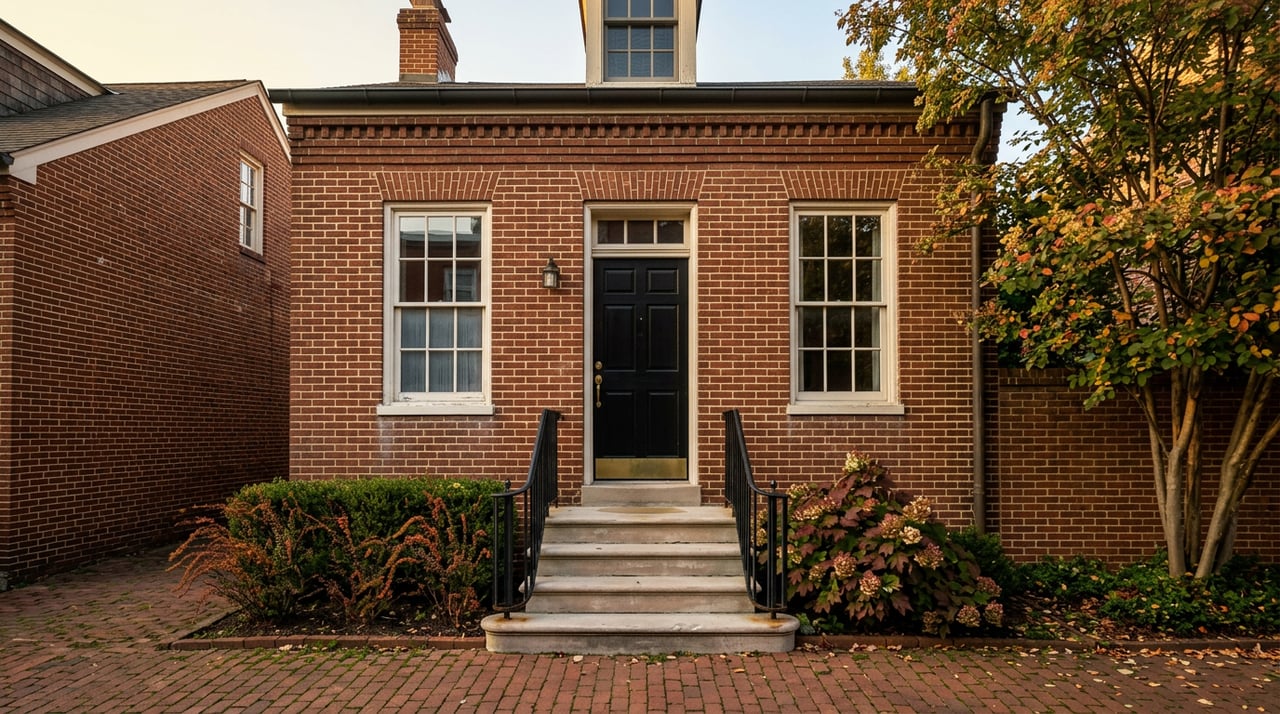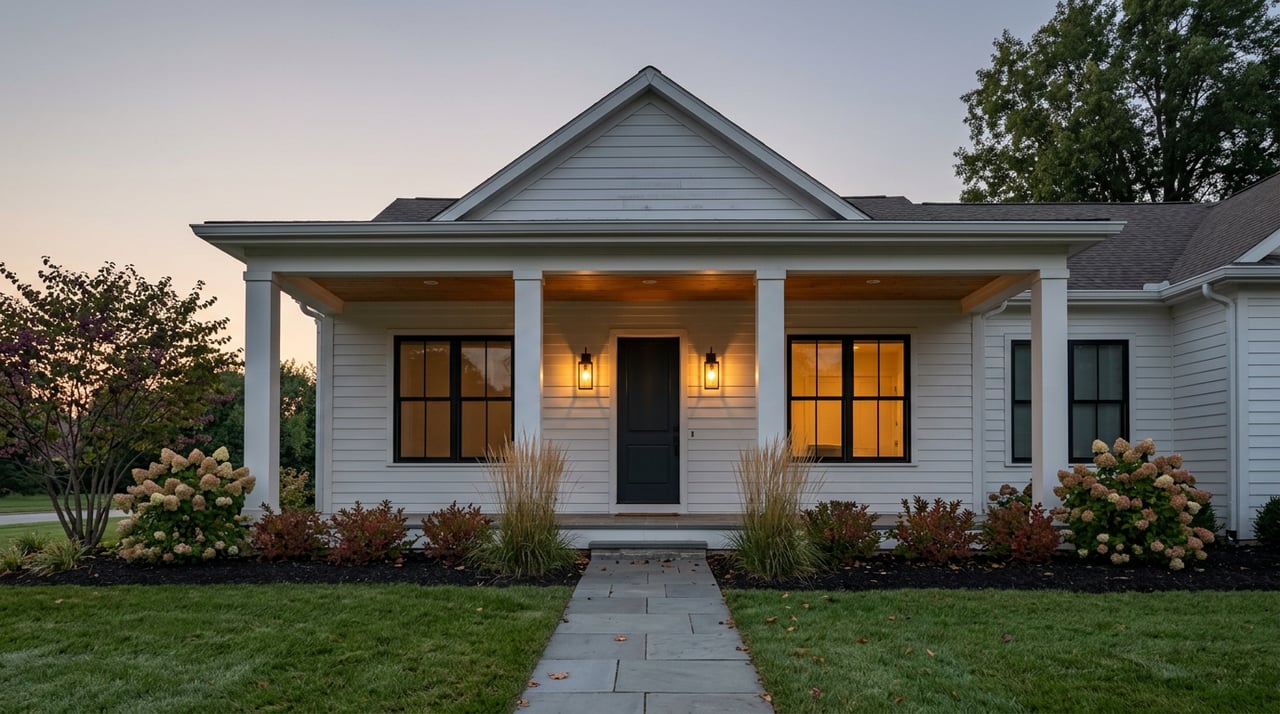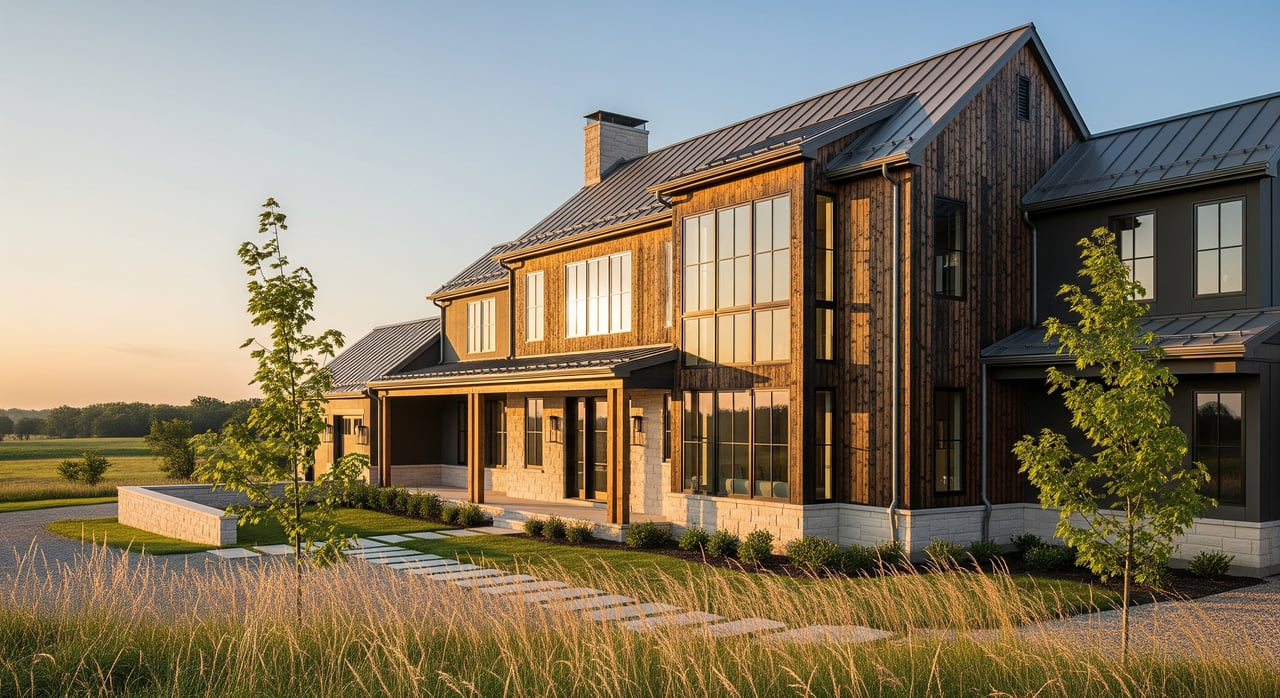
Thinking about a brand-new home near Holliday Farms? You want modern design, efficient systems, and the convenience of a master-planned community close to Zionsville and the Indianapolis metro. The challenge is knowing which build path fits your timeline, budget, and lifestyle. This guide walks you through new-build options around Holliday Farms in Boone County, from lot selection to contracts, inspections, and a simple builder-comparison checklist. Let’s dive in.
Why build near Holliday Farms
Holliday Farms sits in Boone County near Zionsville with commuter-friendly access to the broader Indianapolis area. As a master-planned mixed-use community, it features residential neighborhoods along with trails and other planned amenities you would expect in a thoughtfully designed development.
When you evaluate lots and builders, confirm the homeowners association documents, covenants, and architectural review requirements early. Many planned communities use design guidelines that influence materials, rooflines, landscaping, and setbacks. Also verify jurisdiction details like utilities, permitting pathway, and taxes, since parts of the area may be tied to Zionsville services and Boone County rules. If proximity to specific schools is important, check current Zionsville Community Schools boundary maps during your search.
New-build options explained
You have three main paths: spec, semi-custom, and full-custom. Each has tradeoffs in speed, flexibility, and cost structure.
Spec homes
Spec homes are built by the builder without a committed buyer. You benefit from shorter lead times and a more straightforward financing path. You will have fewer customization options, and move-in-ready convenience can carry a premium depending on market conditions.
Typical timeline from start of construction to completion often runs 2 to 6 months. If the home is already underway when you go under contract, your move-in window could be sooner.
Semi-custom homes
With semi-custom, you start from the builder’s plan portfolio and personalize finishes with limited structural changes. This offers meaningful design control without the full complexity of custom.
Expect 4 to 9 months from breaking ground, depending on plan modifications and builder scheduling. Upgrades are usually priced as line-item selections or allowances.
Full-custom homes
Full-custom lets you collaborate with a custom builder or architect to design a unique home. You gain maximum flexibility, but you also take on more steps, more decisions, and more soft costs.
Plan for 8 to 18 months or more based on design complexity, permitting, sitework, and finish selections. Change-order management and allowances matter more here, so keep tight documentation.
Lot selection around Holliday Farms
Lot choice has long-term impacts on design, cost, and daily living. Consider the factors below before you fall in love with a view.
Orientation and topography
Sun exposure influences natural light and energy use. Topography can determine whether you can have a daylight or walkout basement. Slopes, drainage, and retaining needs may add costs and affect landscaping and maintenance.
Utilities and easements
Confirm the location of public utilities and any easements that limit building envelopes or fencing. In master-planned settings, most lots are fully serviced, but verify service status with your builder and the applicable authority.
Covenants and design guidelines
Architectural standards often govern exterior materials, roof profiles, height, setbacks, and landscape elements. These rules shape your design choices and budget. Obtain current HOA and architectural review information before you finalize plans.
Lot premiums and views
Lots backing to green space or water, corner positions, and cul-de-sacs may carry premiums. Understand any restrictions on outbuildings or fencing that come with certain locations.
Ready-to-build vs. raw lots
Some lots are construction-ready with curbs, sewer, and storm connections. Others may need additional site improvements. Your builder should outline site-specific costs like deeper foundations, rock removal, or drainage solutions.
Timelines and what to expect
Your schedule depends on the build type, permitting, weather, and trade availability. Use these ranges as general guidance and confirm specifics with your builder.
- Permitting and sitework: 2 to 8 weeks in simpler cases; more with complex grading or conservation requirements. HOA architectural review can add time.
- Spec build: often 2 to 6 months from start of construction.
- Semi-custom: roughly 4 to 9 months from breaking ground.
- Full-custom: 8 to 18+ months depending on scope.
Most builders provide completion windows rather than hard dates. Weather, inspections, and supply chains can shift timelines.
Working with builders and your agent
A buyer’s agent represents your interests from lot choice through closing. Many builders prefer buyers to use an agent, and commission practices vary by builder, so register your representation early.
- Registration: Ask your agent to register you with the builder before plan selection or contract signing so representation is clear.
- Agency and disclosure: Indiana has specific rules for agency relationships. Your agent will provide written disclosure and discuss any restrictions on dual roles.
- Pricing structure: New-build pricing typically includes a base home price plus lot premium, options and upgrades, and allowances. Confirm whether site-specific costs are included.
- Contracts: Builder contracts often favor the builder in legal terms. Have your agent review them with you and consider an attorney review for custom or higher-end projects.
- Deposits and cancellations: Earnest money and construction deposits can be non-refundable at certain phases. Read refund and cancellation terms carefully.
- Change orders: Clarify how upgrades are priced, who must approve changes, and how schedule impacts are handled.
Inspections, punch lists, and warranties
Even new homes benefit from independent inspections. Many buyers schedule a pre-drywall inspection to review framing and rough-ins, then a final inspection ahead of closing.
- Punch list: At your final walkthrough, document any incomplete or deficient items in writing with agreed timelines for completion.
- Warranty framework: Many builders offer a combination of workmanship coverage around one year, mechanical systems coverage often around two years, and structural coverage commonly around ten years. Review the actual warranty document for claim steps, exclusions, and transferability.
- Post-closing service: Ask how to submit service requests and what response times to expect.
New build vs. resale near Holliday Farms
Both paths can be smart depending on your goals. Weigh the tradeoffs in timing, customization, and total cost of ownership.
- Advantages of new construction: You can tailor floor plans and finishes, benefit from modern codes and energy performance, and start with new systems under warranty.
- Advantages of resale in Holliday Farms: Immediate occupancy, established landscaping, and a clear sense of neighborhood character. You may also find finished basements or desirable lot positions at a lower incremental cost than comparable new upgrades.
- Cost and financing: New builds often include lot premiums and upgrade packages not reflected in base prices. Construction-to-permanent loans work differently than traditional mortgages, with draws and inspection checkpoints. Confirm lender familiarity with Indiana new construction.
- Ownership costs: Newer systems can lower maintenance and some operating costs. Keep in mind that property tax assessments may reflect recent new-build values.
Simple builder-comparison checklist
Use this quick list when you visit models or review proposals. Save notes in one place so you can compare apples to apples.
- Basic data:
- Builder name, contact, years in business, warranty provider
- Plan name, base price, lot premium
- Inclusions and exclusions:
- Standard features list for kitchen, baths, flooring, windows, HVAC, and appliances
- Allowances and what happens if you exceed them
- Incentives offered and any conditions
- Lot-specific info:
- Lot size and orientation, slope, drainage, easements, and views
- Timeline and scheduling:
- Estimated start, permit status, estimated completion, seasonal constraints
- Contracts and financials:
- Deposit schedule, financing requirements, cancellation and refund terms, change-order pricing
- Inspections and warranties:
- Independent inspections allowed, timing windows, warranty terms and transferability
- HOA and covenants:
- Fees, architectural standards, landscape rules, and any special assessments
- Reputation and references:
- Recent local projects, references from nearby buyers, third-party ratings
- After-sale service:
- How to submit service requests and typical response times
Step-by-step new-build process
Follow these stages to reduce surprises and stay on schedule.
- Discovery and agent selection (1 to 2 weeks)
- Tour communities, narrow plan types, and select an agent experienced in new construction and builder registration.
- Lot reservation and contract (1 to 4 weeks)
- Reserve your lot, sign the purchase agreement, and post deposits per the builder schedule.
- Design and selections (2 to 8 weeks)
- Finalize finishes, upgrades, and any plan modifications. Confirm costs in writing.
- Permitting and site prep (2 to 12 weeks)
- The builder obtains permits and begins grading, utility connections, and foundation work.
- Construction (2 to 12+ months)
- Framing, rough-ins, insulation, drywall, finishes, and exterior completion.
- Inspections and walkthroughs (checkpoints)
- Schedule a pre-drywall inspection and a final inspection, plus a punch list at your final walkthrough.
- Closing and move-in (1 to 3 weeks post-approvals)
- Final lender inspections, sign documents, and receive keys.
- Warranty follow-up (12 months to 10 years)
- Submit claims per the builder’s process and complete scheduled touch-ups.
Next steps
If you are considering new construction near Holliday Farms, start by clarifying your timeline and must-haves. Then pair that with the right lot and a builder whose process, pricing, and warranty fit your expectations. A local, hands-on advisor can help you navigate HOA documents, builder contracts, inspections, and lender choices with confidence.
For private, full-service guidance on building near Holliday Farms or exploring resale options in Zionsville and nearby suburbs, connect with Tina Smith. Tina’s calm, detailed approach and local network make the process smoother from first tour to final punch list.
FAQs
How does buyer representation work with builders near Holliday Farms?
- Many builders account for buyer’s agent compensation, but policies vary. Ask your agent to register you with the builder before plan selection or contract signing so your representation is recognized.
What is the difference between spec, semi-custom, and custom builds?
- Spec offers the fastest move-in with limited choices, semi-custom balances plan flexibility with curated selections, and full-custom delivers a unique design with the longest timeline.
What should I confirm in a builder contract for a Boone County new build?
- Verify the base price, lot premium, included features, allowances, site-specific costs, deposit schedule, change-order process, estimated completion window, and cancellation terms.
Are independent inspections allowed on new construction near Zionsville?
- Many builders allow pre-drywall and final independent inspections. Confirm scheduling windows and site-access rules in your contract.
What warranties are typical for new homes in planned communities?
- A common framework includes around one year for workmanship, around two years for mechanical systems, and often ten years for major structural elements, subject to the builder’s specific policy.
How long does permitting take for a new build in Boone County?
- Simple cases can be 2 to 8 weeks, with longer timelines for complex grading, conservation needs, or additional HOA architectural review.
What happens if a builder misses the estimated completion date?
- Builders usually provide completion windows rather than guaranteed dates. Review your contract for any remedies, communication commitments, and how delays are handled.