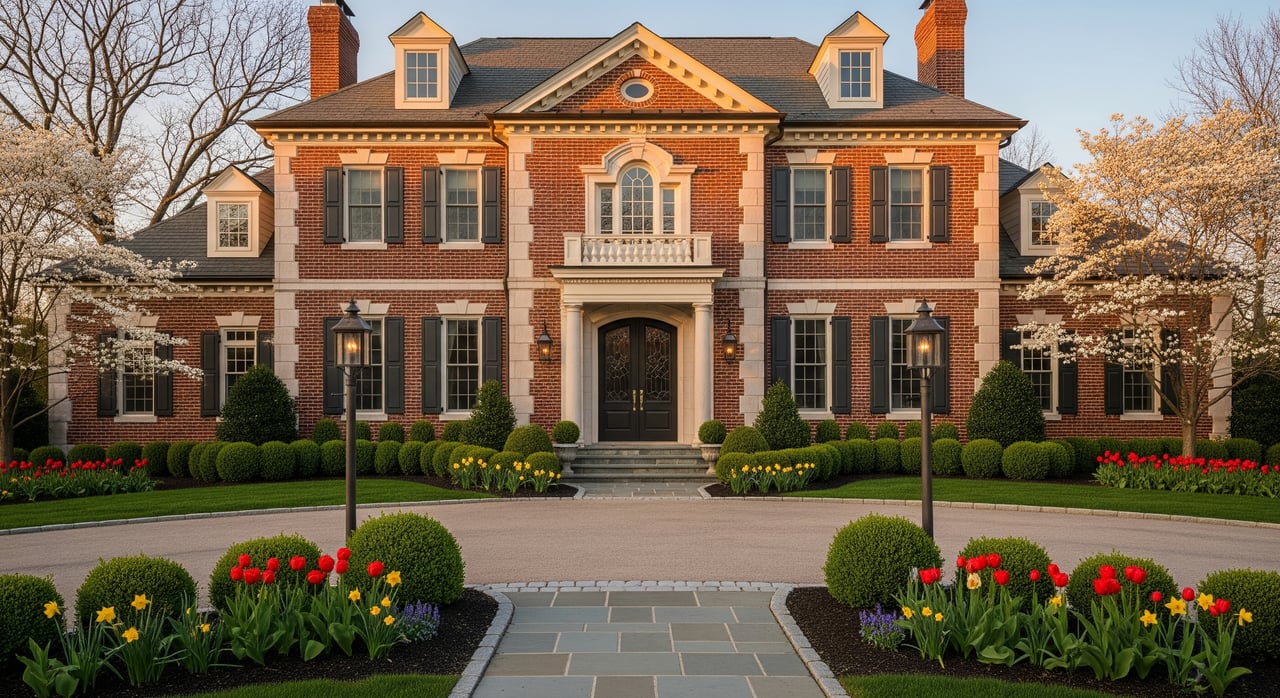
Thinking about selling in Carmel and wondering if timing really matters? You’re not alone. When you list can influence how quickly you sell and how close you get to your asking price. In this guide, you’ll learn when Carmel homes typically perform best, how interest rates and school-year moves shape demand, and how to plan a 60 to 120 day runway that sets you up for success. Let’s dive in.
Best time to sell in Carmel
For most sellers in Carmel and Hamilton County, April through early June is typically the sweet spot. Buyer activity climbs in late winter, peaks in spring and early summer, then tapers into late summer and fall. Listings launched during the spring window generally see faster sales and stronger sale-to-list outcomes compared with late fall and winter.
Local patterns also support this timing. Many buyers in Carmel plan summer moves that align with the school calendar, aiming to close in June through August. That pushes many new listings to hit the market in April through June to line up a mid-summer closing. If your goal is to capture the largest pool of motivated buyers, this window is usually your best bet.
Mortgage rates can tilt the equation. When rates are trending down, buyer demand can improve even outside the spring peak. When rates rise, you may want to lean into peak-season timing to reach the broadest audience and protect your price.
How timing affects outcomes
Seasonality shows up in a few key ways:
- Speed to sale. Homes listed in spring tend to spend fewer days on market than those listed in late fall and winter.
- Sale-to-list ratio. Spring and early summer listings often sell closer to the asking price compared with off-peak months.
- Price lift. Studies have reported modest premiums for spring listings relative to winter. The size of the premium varies by year, price point, and property condition.
In the Indianapolis-Carmel-Anderson area, Hamilton County generally follows these national patterns, with spring bringing tighter supply, stronger buyer traffic, and quicker sales. Luxury and upper-tier properties can follow a slightly different tempo due to smaller buyer pools, so a tailored plan is essential.
Your 60 to 120 day runway
A little lead time goes a long way. Use your runway to complete prep, secure great visuals, and align your listing with the best market window for your goals.
60-day plan: mostly ready homes
- Days 0 to 7: Meet with your agent, refine pricing strategy, and decide on must-do fixes and a staging plan.
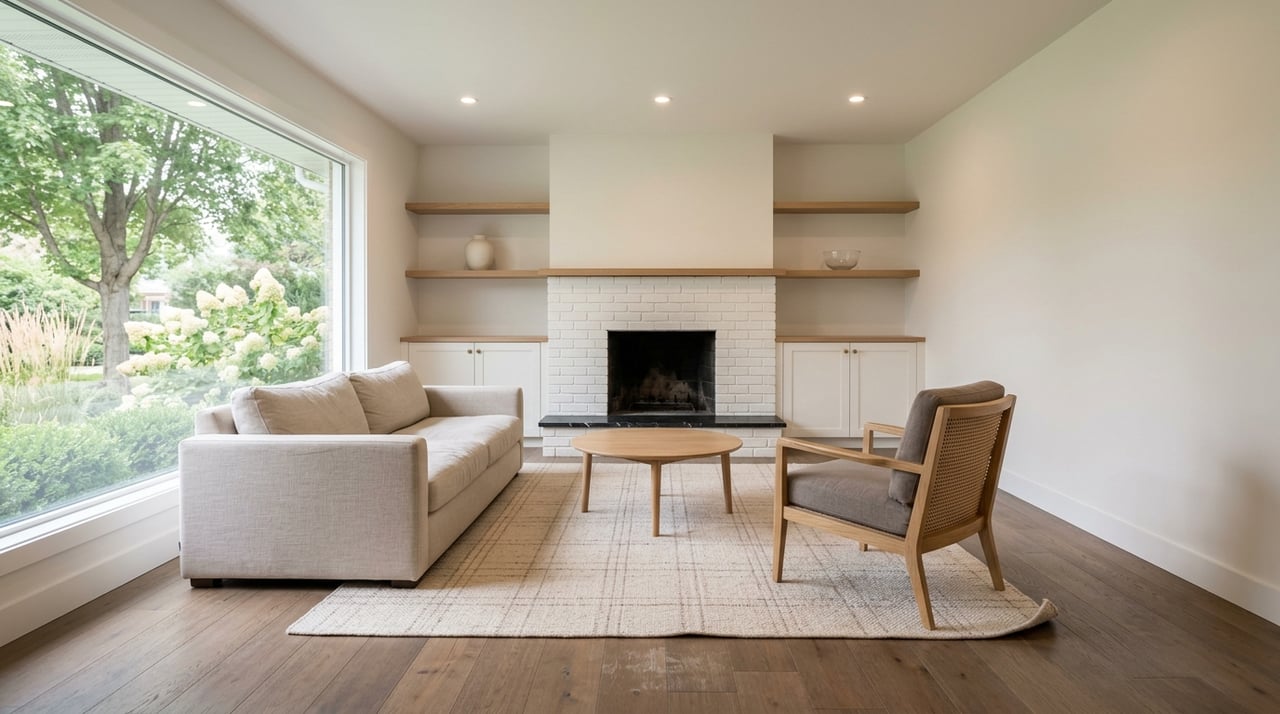
- Days 7 to 21: Declutter, deep clean, handle light paint and hardware updates, and refresh landscaping.
- Days 21 to 35: Complete professional cleaning and staging. Schedule photography, floor plans, and a virtual tour.
- Days 35 to 60: Launch marketing and list mid-week to capture weekend showings. If price and presentation align with the market, expect early interest and potential offers in the first one to three weeks.
90-day plan: moderate updates
- Days 0 to 14: Agent consult, secure contractor quotes, and confirm staging approach.
- Days 14 to 45: Tackle moderate updates like cabinet paint and hardware, minor bath refreshes, and flooring repairs. Prep the yard.
- Days 45 to 65: Final touch-ups, deep clean, staging, and photography.
- Days 65 to 90: Launch your listing and host open houses and showings. This plan gives you a buffer to list just ahead of peak activity.
120-day plan: larger cosmetic work
- Days 0 to 30: Planning and contractor selection; pull permits if needed.
- Days 30 to 90: Execute larger cosmetic projects like kitchen and bath updates or targeted flooring replacement.
- Days 90 to 105: Finish the punch list, deep clean, and stage.
- Days 105 to 120: Photography and launch. This schedule is ideal if you want to hit a specific month, such as listing in April by starting work in January.
Align with school-year closings
If you want to close before school begins, work backward from your ideal move date. A typical closing takes 30 to 45 days after you accept an offer.
- Target a late July closing: List in early to mid-May. Begin prep in mid-February to mid-March.
- Target an August closing: List in late May to early June. Begin prep in March or April.
This keeps you in the heart of spring and early summer demand while leaving room for inspections, appraisal, and financing.
Pick the right listing day
Many agents favor a mid-week launch, often on Wednesday or Thursday. This puts your home in front of buyers planning weekend tours and can help concentrate first-week activity. First impressions matter, so pair your listing day with polished staging, standout photography, and a compelling price.
Prep checklist and typical costs
Focus on the highest-impact improvements that fit your time and budget.
Immediate wins: 1 to 4 weeks
- Declutter and deep clean. Typically low cost if DIY; professional services often run about a few hundred to around 1,000 dollars depending on scope.
- Neutral interior paint. Plan one to two weeks, with costs commonly ranging from about 1,000 to 4,000 dollars based on size and contractor rates.
- Minor repairs. Fix sticking doors, hardware, and light bulbs. Budget a few hundred dollars for parts and a handyman if needed.
Near-term upgrades: 2 to 6 weeks
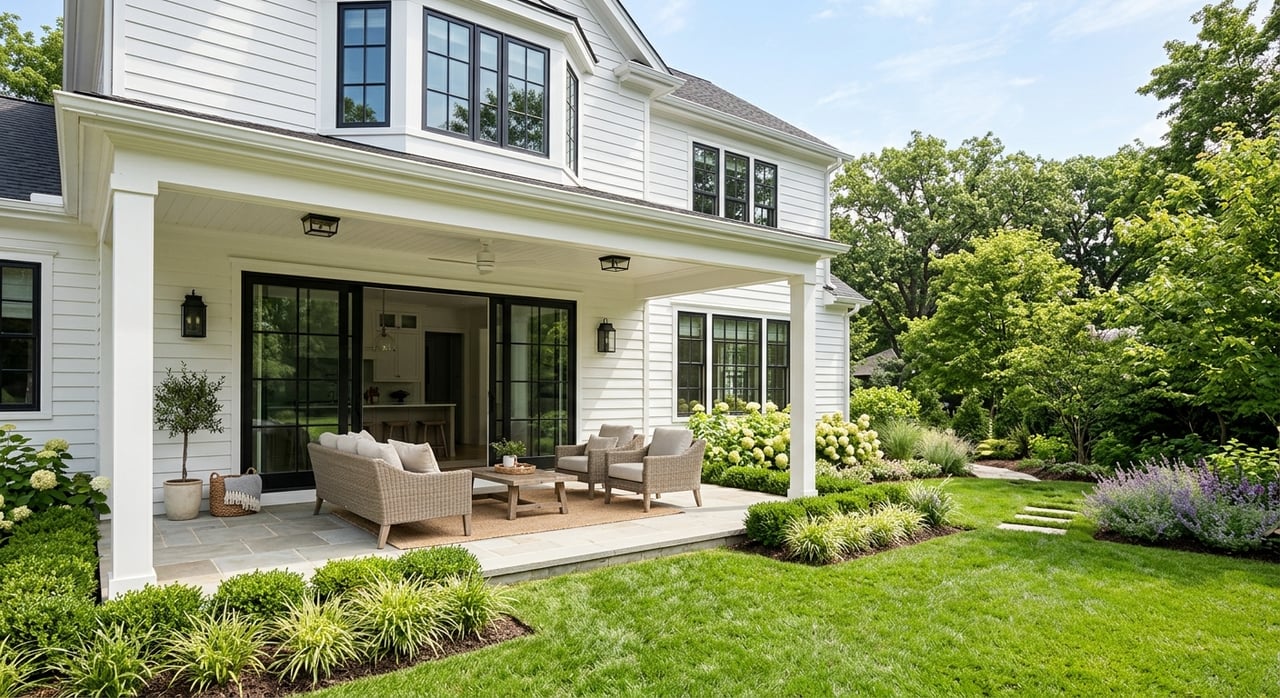
- Curb appeal. Fresh mulch, trimmed shrubs, and lawn care often cost a few hundred to around 2,000 dollars.
- Staging. Options range from virtual staging to partial or full physical staging. Costs vary widely, from a few hundred dollars for virtual to several thousand per month for full staging.
- Visuals. Professional photos, floor plans, and a virtual tour usually run about 150 to 700 dollars and are worth every penny.
Moderate projects: 4 to 12 weeks
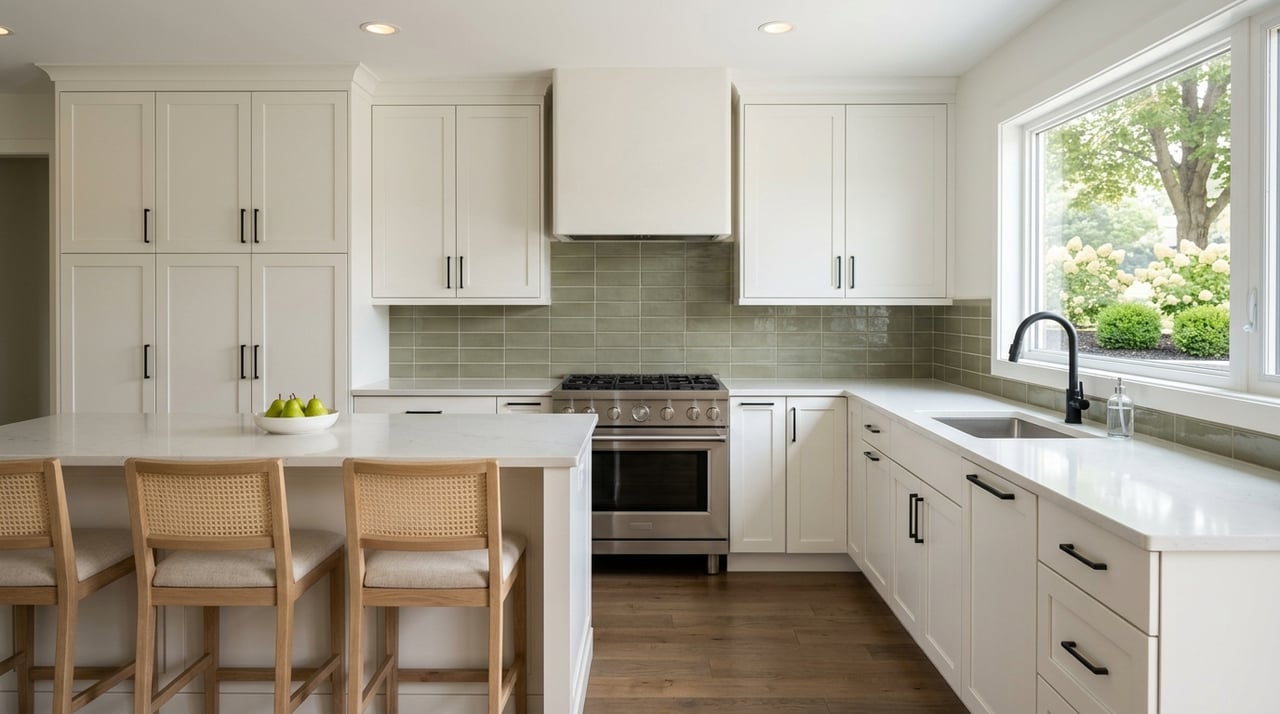
- Kitchen and bath refreshes. Painted cabinets, new hardware, and updated fixtures can fit inside a 90 to 120 day runway and commonly range from a few thousand to tens of thousands of dollars based on scope.
- Flooring updates. Replacing carpet or refinishing floors often takes two to six weeks and can range from a few thousand to the mid five figures depending on size and material.
- Pre-list inspection. Consider a pre-list inspection along with HVAC or roof checkups. The inspection itself often costs several hundred dollars, with repairs varying by finding.
If major renovations are on your mind, weigh the time and budget carefully. Large remodels can stretch beyond a tight listing window. In many cases, targeted cosmetic work paired with strong presentation brings a better return for the time invested.
Pricing and competition in Carmel
Pricing correctly on day one is critical, especially in spring when buyers compare many new listings each week. Overpricing can increase days on market and reduce leverage. A competitive price often draws more showings and can attract multiple offers.
Also watch supply in your immediate area, including new construction. Carmel has active new-build communities and luxury enclaves. If a nearby builder releases several homes at once, consider small adjustments to timing or price to avoid competing head to head. Well-presented, move-in-ready homes often outperform nearby options when buyers can see clear value.
When off-peak can still work
Not every sale can land in spring. You can still succeed off-peak with the right strategy. If mortgage rates are trending lower, buyer activity can perk up even in late summer or early fall. If rates are rising, lean into presentation, accurate pricing, and flexible terms to widen your buyer pool.
When market conditions shift or if your home needs major work, a short delay can pay off. Completing key repairs to remove buyer objections, or waiting a few weeks to avoid a local inventory spike, can be the smarter move.
Negotiation expectations by season
- Spring: Larger buyer pools and faster offers are common. You may see fewer concessions and stronger sale-to-list results.
- Off-peak: Expect longer market times and more negotiation around price, closing costs, or repairs. Planning and presentation help offset seasonal headwinds.
Carmel-specific tips for sellers
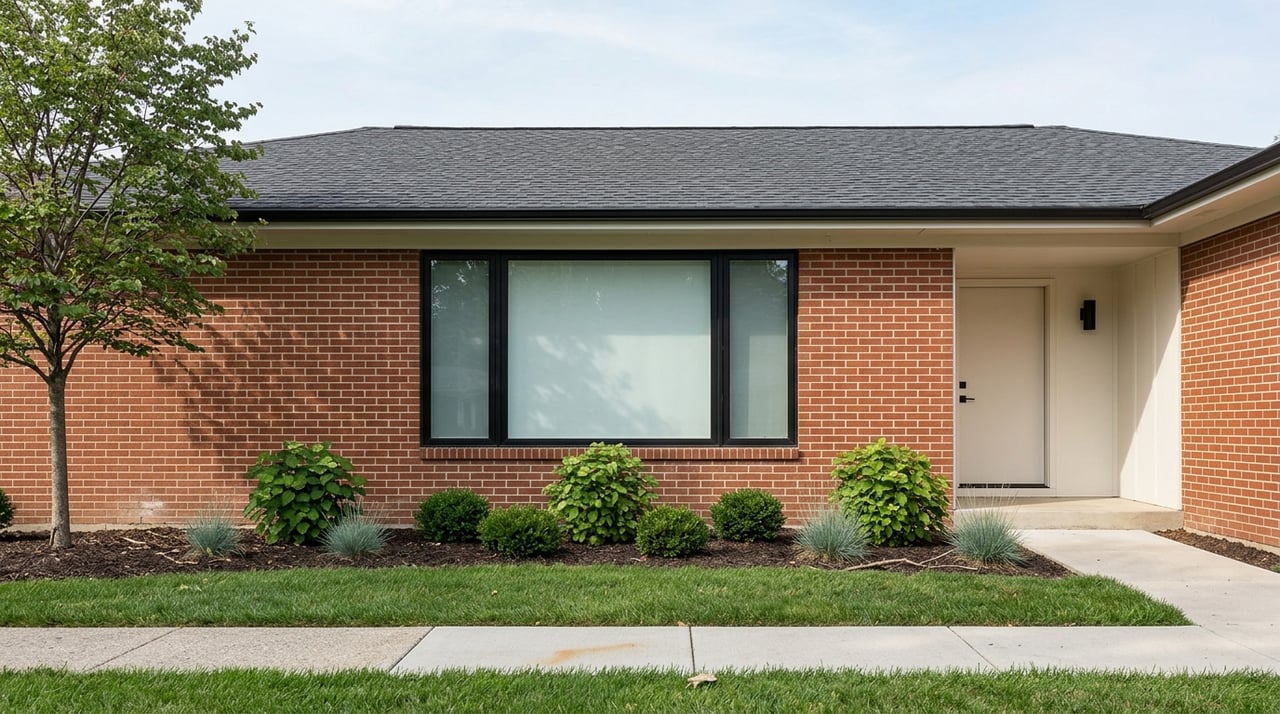
- Focus on first impressions. Carmel buyers often value clean, move-in-ready homes, especially kitchens, baths, and curb appeal.
- Prepare for school-year movers. Listing in April through early June helps families plan summer closings.
- Mind the builder timeline. Ask your agent to monitor nearby releases to avoid crowded weeks.
- Show your value. In areas with new construction, a thoughtfully updated and staged home can stand out and justify a strong price.
Your next steps
If you want to maximize your outcome, start by choosing your target closing month, then work backward 60 to 120 days. Prioritize the prep that buyers notice most, pair it with premium visuals, and launch mid-week when interest runs highest. A data-driven pricing plan and careful eye on competing inventory will do the rest.
Ready to map your timing and prep plan on a live Carmel calendar? Schedule a private, no-pressure strategy call with Tina Smith to craft your timeline, pricing, and presentation.
FAQs
When is the best month to sell a Carmel home?
- April through early June typically offers the strongest buyer activity and better sale-to-list outcomes, with many sellers targeting spring listings for summer closings.
How do mortgage rates affect my timing in Carmel?
- Falling rates can expand the buyer pool and help off-peak listings, while rising rates make peak-season timing and sharp pricing more important.
What if I need to sell before completing renovations?
- Prioritize high-impact, faster projects like paint, lighting, and landscaping, then price and disclose appropriately if major work remains.
What day of the week should I list?
- Mid-week, often Wednesday or Thursday, positions your home to be fresh for weekend showings and can help concentrate first-week activity.
How do I time a sale for a summer closing with Carmel schools in mind?
- To close in late July, list in early to mid-May; for August closings, list in late May to early June and begin prep 60 to 120 days earlier.
How does new construction nearby impact my sale?
- Builder releases can create supply spikes, so monitor upcoming listings and adjust your launch week or pricing to avoid direct competition.