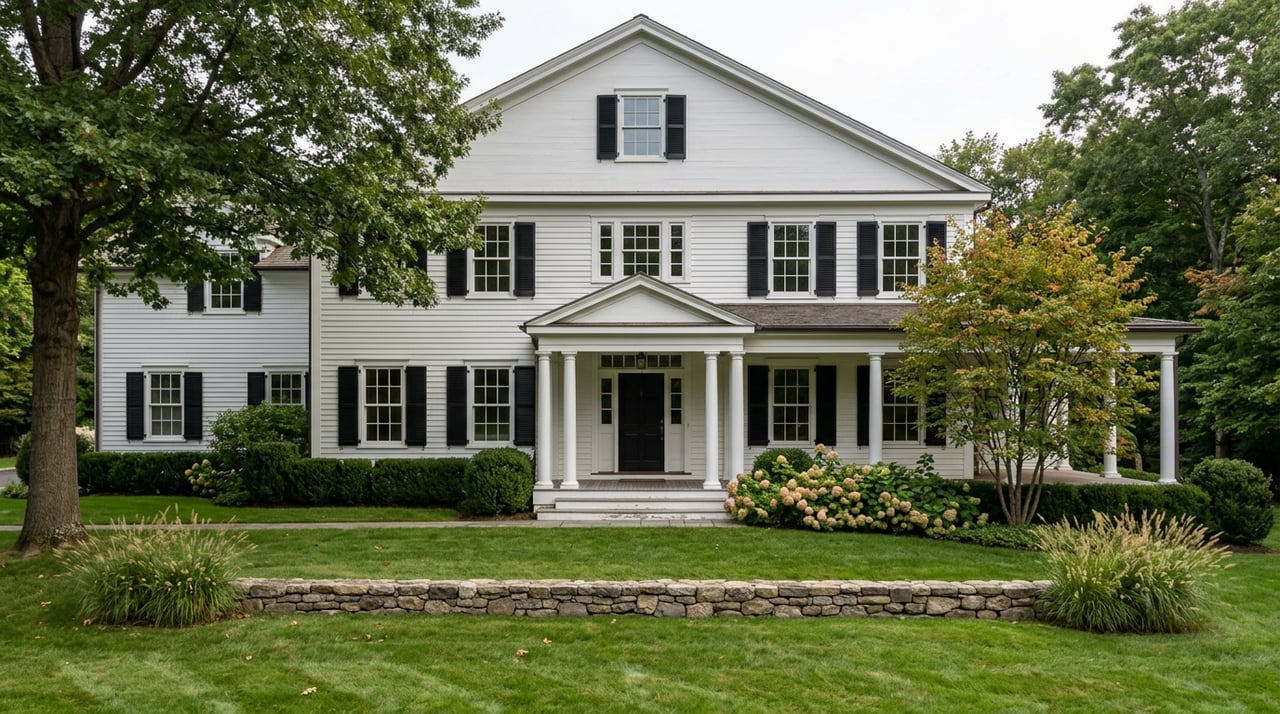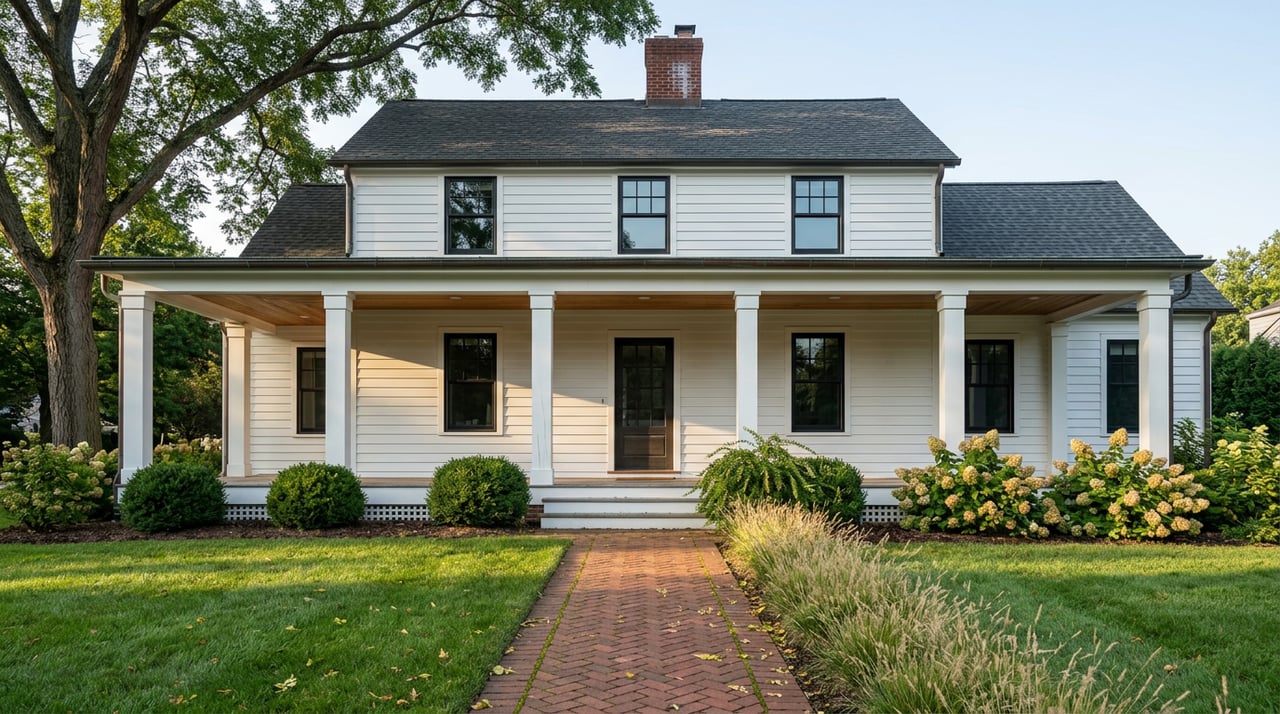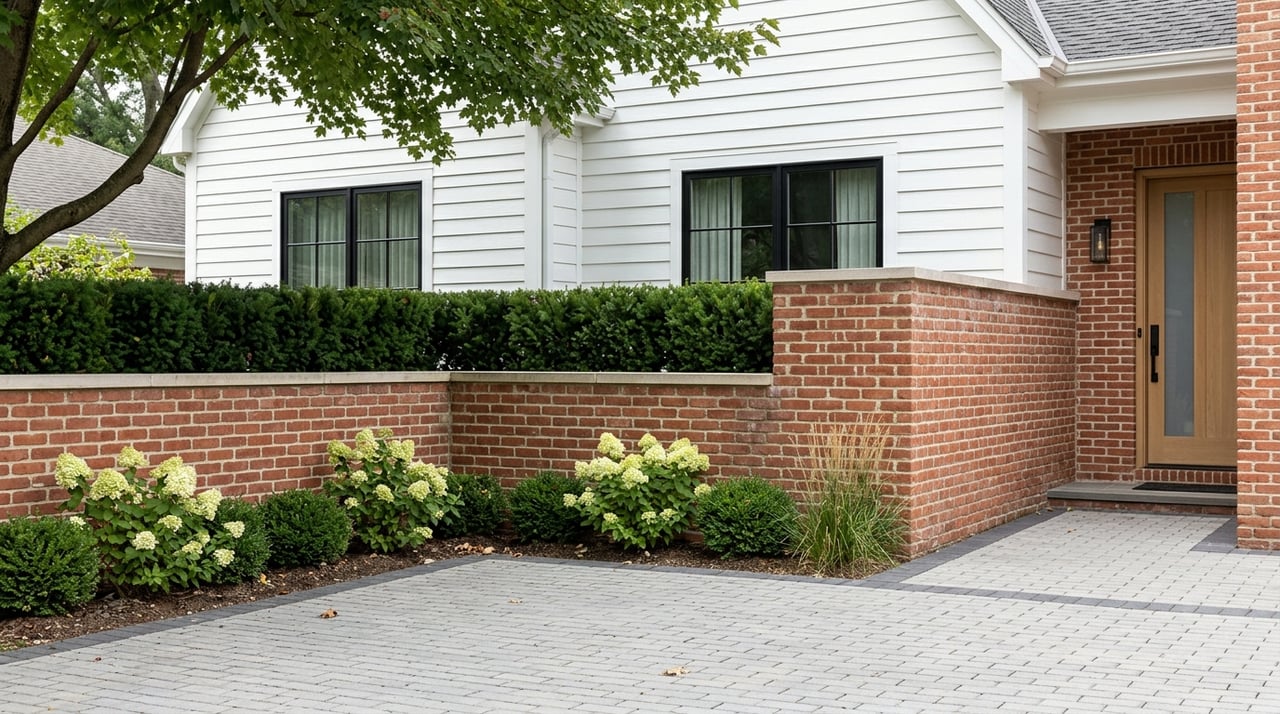
If you are selling a home in Carmel and privacy matters, you may wonder how much control you really have. That is a smart question, especially in an active market where homes can draw quick attention and public records still create a paper trail. The good news is that privacy in real estate is not about making a property invisible. It is about reducing exposure, controlling access, and protecting your personal information wherever possible. Let’s look at how that works.
Privacy in Carmel Real Estate
Carmel is a market where homes attract interest quickly. Redfin’s Carmel market page shows 238 homes for sale and a median sale price of $495,000 in February 2026, while the City of Carmel Housing Task Force reported a February 2024 median single-family sale price of $584,250, with 78 active listings and a median of 7 days on market. In a market like this, a thoughtful privacy plan matters from day one.
That is where Tina Smith’s approach stands out. As a Carmel-based CENTURY 21 Scheetz agent, Tina works with sellers, relocating executives, and privacy-sensitive clients who want a calm, controlled process. Her role is not to promise secrecy that the system cannot support. Her role is to help you decide who sees your home, when they see it, and how much personal information is shared along the way.
What Privacy Can Mean
In real estate, privacy usually means limiting public exposure, not erasing all records. That distinction matters because once a property transfer closes, county and state systems often reflect parts of that transaction.
Hamilton County’s Recorder’s Office records deeds, mortgages, liens, leases, plats, and other public documents, with online access to many records from 1947 to the present. The county also notes that newly recorded documents often appear online within 24 hours. The Real Property Department requires deeds to include details like a legal description, tax mailing address, and sales disclosure or exemption information before recording.
Indiana law supports public access as well. Under Indiana’s Access to Public Records framework, many government records are open to the public, and court guidance generally treats court records as open unless specifically excluded. So if you are looking for complete anonymity, it is important to know that the listing strategy alone cannot fully remove the public record trail.
How Tina Smith Reduces Exposure
A privacy-first sale starts before the first photo is published, the first sign goes up, or the first showing is booked. According to current MIBOR rules, public marketing includes yard signs, public websites, brokerage displays, email blasts, apps available to the general public, and broad sharing networks. That means privacy planning needs to happen early.
Tina’s approach is best understood as a set of practical controls. Each one helps reduce exposure while still keeping your sale moving.
Choosing the Right Listing Path
For some sellers, a traditional public listing makes sense. For others, a more limited rollout may better match their goals.
The National Association of REALTORS® consumer guide explains two relevant options. An office exclusive exempt listing is not shared on an MLS or publicly marketed. A delayed marketing exempt listing can be entered into the MLS while being held back from IDX and syndication for a set period.
MIBOR’s rules and regulations add important local details for the Carmel area. Office exclusive listings must still be entered into the service but not disseminated, the required disclosure must be filed within two full business days, and sellers may request suppression of the property address from external data feeds. These tools can be useful when you want less public visibility without stopping the sale process entirely.
Limiting Who Sees the Home
One of the most effective privacy tools is controlled access. Instead of making the property broadly available to anyone who expresses casual interest, a privacy-aware strategy can focus on vetted buyers.
The NAR Safe Listing Form recommends limiting showings to pre-qualified or properly identified buyers and routing all interest through the REALTOR®. For sellers concerned about privacy, this is a practical way to reduce unnecessary traffic and avoid unverified drop-ins.
Tina can structure the process so you are not fielding random interest directly. That helps keep the experience more orderly, more secure, and less disruptive to your daily life.
Controlling Photos and Media
Privacy is not only about where your home appears online. It is also about what images reveal once they are shared.
NAR’s Pathways to Professionalism recommends getting permission before photographing or streaming interiors or exteriors. That guidance matters for occupied homes, high-profile sellers, and anyone who wants to avoid oversharing personal spaces.
A careful plan may include removing or avoiding images that expose highly personal details, unique security elements, or items that identify the household. The goal is to present the property well while being selective about what the public can see.
Reducing Personal Information on Display
Some of the strongest privacy protections happen inside the home before any showing begins. NAR’s Safe Listing Form recommends removing valuables, medications, weapons, and family photos from view.
That advice is simple, but it matters. Personal photos can identify your household. Mail, paperwork, diplomas, and everyday items can reveal names, routines, or other details you would rather keep private. A well-prepared home feels cleaner for buyers and safer for you.
Managing Showings Carefully
Showing-day procedures also affect privacy. NAR’s Pathways to Professionalism recommends keeping visitors together during showings and informing them about any security systems or video or audio recording equipment.
These small steps make a real difference. They help reduce unsupervised wandering, limit casual photography, and create a more professional environment. For occupied homes especially, this kind of structure supports both privacy and peace of mind.
What Cannot Be Fully Hidden
This is the part many sellers need clarified. Even if your home is marketed quietly, the property itself is still tied to local government records.
Hamilton County maintains public records for recorded real estate documents, and the county assessor provides access to property report information. That means a private or semi-private listing strategy can reduce attention during the marketing phase, but it does not erase the ownership and transfer trail that follows a completed sale.
In other words, privacy in Carmel real estate is about exposure reduction, not total secrecy. Tina’s value is in helping you use the tools that are available, setting realistic expectations, and building a plan around your comfort level.
Why Early Planning Matters
If privacy is important to you, timing matters. Once a home has been publicly promoted through signs, websites, or broad online distribution, it is much harder to pull that exposure back.
MIBOR defines public marketing broadly, so sellers benefit from deciding on their privacy strategy before launch. That includes discussing whether public syndication makes sense, whether the address should be suppressed from external feeds if allowed, and how showings will be handled. A calm conversation early in the process can prevent a lot of stress later.
Who Benefits Most
A privacy-aware sale can help many types of sellers. High-profile homeowners often ask for it, but they are not the only ones.
You may also want more discretion if you are relocating for work, selling an occupied home, managing a major life transition, or simply prefer a lower-profile process. In each case, the right strategy depends on your timeline, pricing goals, and comfort with public exposure.
A Calm, Practical Process
The best privacy strategy is not one-size-fits-all. It should reflect your priorities, your property, and the realities of the Carmel market.
Tina Smith brings local knowledge, a hands-on process, and privacy-aware representation to help you make those decisions with confidence. If you are thinking about selling and want a more controlled approach, you can start with a private conversation at Tina Smith.
FAQs
Can a home in Carmel be sold off-market?
- Yes. NAR describes office exclusive and delayed marketing exempt listing options, and MIBOR provides local rules for how those options can be used.
Can a Carmel listing address be hidden from the public?
- Sometimes. MIBOR allows a seller to request suppression of the address from external data feeds, but county recording systems still maintain public property records.
Can showings be limited to vetted buyers in Carmel real estate?
- Yes. NAR’s safe listing guidance supports limiting showings to pre-qualified or properly identified buyers and routing interest through the agent.
Does a private listing keep a Hamilton County sale completely anonymous?
- No. Hamilton County records deeds and related documents, and Indiana public records rules mean a completed sale still leaves a public paper trail.
When should a Carmel seller create a privacy plan?
- Before any public marketing begins. MIBOR rules define public marketing broadly, so it is best to decide on listing exposure, address handling, and showing procedures early.