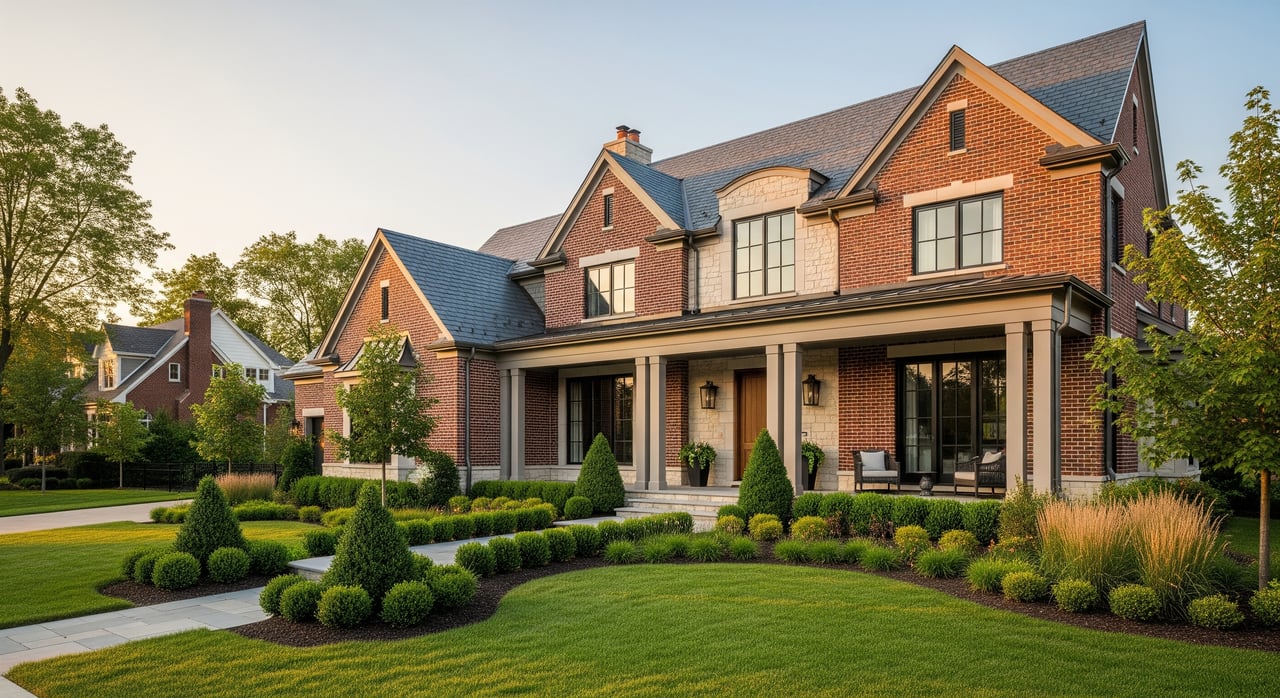
Thinking about buying a home in Carmel but not sure where to start? You are not alone. With strong schools, amenities, and quick access to Indianapolis, homes here can attract a lot of interest. This guide walks you through the Carmel-specific steps, timelines, norms, and resources so you can compete with confidence and avoid surprises. Let’s dive in.
Understand Carmel’s market
Carmel is a suburban community just north of Indianapolis with a mix of newer planned developments, established subdivisions, and increasingly walkable downtown and midtown areas. You will find a range of options from single-family homes to townhomes and some condos. Many buyers choose Carmel for its amenities and proximity to jobs, which can create competition in desirable neighborhoods.
Neighborhood fit matters. Newer planned communities may offer modern finishes and HOA amenities. Established subdivisions often provide larger lots and mature landscaping. Downtown and midtown areas appeal if you value restaurants, trails, and cultural venues. School boundaries influence demand, so verify the zones that align with your goals.
Your step-by-step plan
1) Preapproval and planning
Get a full mortgage preapproval, not just a prequalification. In Carmel’s competitive pockets, a strong preapproval can help your offer stand out. If your documents are ready, preapproval often takes 1 to 7 business days. For a plain-English overview of mortgages and closing costs, review the Consumer Financial Protection Bureau’s guidance on homebuying at the CFPB’s Owning a Home resource.
Quick checklist:
- Protect your credit and avoid new debt while you shop.
- Set funds aside for earnest money, down payment, and closing costs.
- Define key needs like commute time, lot size, finished basement, HOA comfort level, and maintenance expectations.
2) Build your local team
Choose a buyer’s agent who understands Carmel neighborhoods and offer norms, and who can guide you through multiple-offer situations. Select a responsive local lender with clear underwriting timelines. Identify an inspection team early, including a general inspector and radon tester, so you can book quickly if needed.
Verification tips:
- Verify lender licensing through NMLS Consumer Access.
- Review inspector certifications and sample reports through organizations like ASHI.
3) Search and tour smart
Search by neighborhood type, school zone, HOA presence, and commute. Plan to move quickly when the right home appears. Include new-construction and spec-home options in your search if modern finishes or warranties are high priorities for you.
4) Make a winning offer
Typical offer components include price, earnest money deposit, contingencies, and a target closing date. In suburban Indiana markets like Carmel, earnest money commonly ranges from 1 to 3 percent of the purchase price, and some buyers increase it in competitive scenarios to show commitment. Sellers usually expect a preapproval letter and proof of funds for the earnest money.
Contingencies to consider:
- Inspection contingency. A 7 to 10 day window is common.
- Financing contingency. Often 21 to 30 days, depending on the lender.
- Appraisal contingency. Protects you if the appraisal is lower than the purchase price.
If the market is especially busy, you may shorten timelines to strengthen your offer, but understand that doing so increases risk. The CFPB’s Owning a Home materials can help you weigh trade-offs.
5) Inspection and negotiations
During the inspection period, you can request repairs, seek a seller credit, or accept the home as-is. Plan for the cost of a general inspection and any specialized tests you need. In Carmel, radon testing is strongly recommended. For background on why and how to test, review the EPA’s radon guidance.
Inspection menu to consider:
- General home inspection
- Radon test
- Pest or WDI inspection when indicated
- Sewer scope for older lines or signs of backups
- HVAC evaluation for older systems
- Well/septic testing on fringe or annexed properties when applicable
- Structural engineer if significant foundation concerns are present
If you are considering an older home, learn about federal lead disclosure rules and safety basics using HUD’s lead and healthy homes resources.
6) Appraisal and underwriting
Your lender orders the appraisal, which typically takes 1 to 3 weeks. Underwriting often completes before closing. In Carmel, a common contract-to-close window for a conventional loan is about 21 to 45 days, depending on the lender and your documentation. The CFPB’s homebuying guide is a good reference for how the appraisal and closing steps work.
7) Closing and move-in
Do a final walk-through on closing day to confirm the home’s condition. You will sign documents at a title office or attorney’s office and wire your funds per verified instructions. Coordinate utility setup and any municipal filings so your services start smoothly when you receive the keys.
What inspections to expect in Carmel
Basements are common in Indiana, so look closely at drainage, sump pump operation, and signs of moisture. Clay soils can impact foundations over time, making crack evaluation and grading important. Freeze-thaw cycles affect roofs and exteriors, so understand the age and condition of shingles and siding. Many homes have natural gas furnaces and central air, so confirm service history and remaining lifespan.
Radon levels vary across Indiana. A short-term radon test during the inspection window is a smart move, and mitigation is routine if levels are elevated. Learn more from the EPA’s radon overview. For older homes, understand lead paint rules and safe practices via HUD’s resources.
HOA documents to review
Many newer and planned neighborhoods in Carmel have HOAs. Before you finalize your purchase, request the full resale packet and review it carefully. The Community Associations Institute offers helpful guidance on what to look for.
Key items to review:
- CC&Rs, bylaws, and rules and regulations
- Budget, reserve study, financials, and any planned special assessments
- Meeting minutes from the last 6 to 12 months
- Pending litigation or compliance issues
- Transfer fees and resale certificate costs
- Approval process and timelines for exterior changes
Questions to ask:
- What are the current dues and what do they cover?
- Are any major projects or assessments planned?
- Are there rental restrictions if you plan to lease later?
- How are maintenance and snow removal handled on private streets, if applicable?
Seasonality and strategy in Carmel
Spring tends to be the busiest season. You will often see more listings, but you may also face faster deadlines and multiple-offer situations in top neighborhoods. Summer remains active, with more flexibility for touring.
In fall, buyer activity often slows, and motivated sellers may be more open to negotiation. Winter typically has the fewest listings and the longest days on market, which can help buyers looking for leverage. If you plan to be in a home before the school year, work backward from your target move date and allow extra time for searching and closing.
Verify and protect yourself
Use trusted sources as you make decisions and hire providers.
Helpful resources:
- Mortgage and closing basics: CFPB — Owning a Home
- Verify lender licensing: NMLS Consumer Access
- Find certified inspectors: ASHI
- Radon testing and mitigation: EPA radon
- Lead paint rules and disclosures: HUD
- HOA buyer education: Community Associations Institute
Local checks to complete:
- Confirm utilities and municipal services with the City of Carmel.
- Verify property taxes and parcel data through Hamilton County records.
- Review attendance boundaries and enrollment steps with Carmel Clay Schools.
Example timeline: 30 to 45 days
- Days 1–3: Offer accepted, open escrow, order title, schedule inspections.
- Days 1–7: Complete inspections and radon test; start loan file in underwriting.
- Days 7–10: Inspection negotiations conclude.
- Days 10–21: Appraisal ordered and completed; lender conditions addressed.
- Days 21–30: Final loan approval; clear to close.
- Days 30–45: Final walk-through and closing; move in.
Buying in Carmel should feel exciting, not overwhelming. With a clear plan, local insight, and the right team, you can move confidently from first tour to closing day. If you value discreet, hands-on guidance and a calm, concierge approach to relocation and buying, connect with Tina Smith to map out your next steps.
FAQs
How much earnest money should I plan for in Carmel?
- In suburban Indiana, 1 to 3 percent of the purchase price is common. Some buyers increase earnest money in competitive situations. Always deposit with a recognized escrow or title company.
Should Carmel buyers waive inspections or contingencies?
- Waiving protections increases risk. Consider stronger preapproval, flexible closing, higher earnest money, or an escalation clause before waiving inspection. If you do waive, build a risk budget.
What inspections are essential for Carmel homes?
- A general home inspection and radon test are recommended for most homes. Add sewer scope, pest/WDI, well testing, or a structural review when conditions indicate.
How long does it take to close on a home in Carmel?
- Many conventional loans close in about 21 to 45 days from contract. Timelines depend on your lender, documentation, and property type.
Do most Carmel homes have city water and sewer?
- Central Carmel typically has municipal services. Some edge or annexed properties may have well or septic systems, so verify with the seller and public records.
How should I review HOA documents as a Carmel buyer?
- Request the full resale packet early. Review CC&Rs, rules, financials, meeting minutes, and any planned projects or assessments before you finalize your purchase.